The Chemistry of Color: Why the Wrong Finish Turns Pristine Wood Yellow
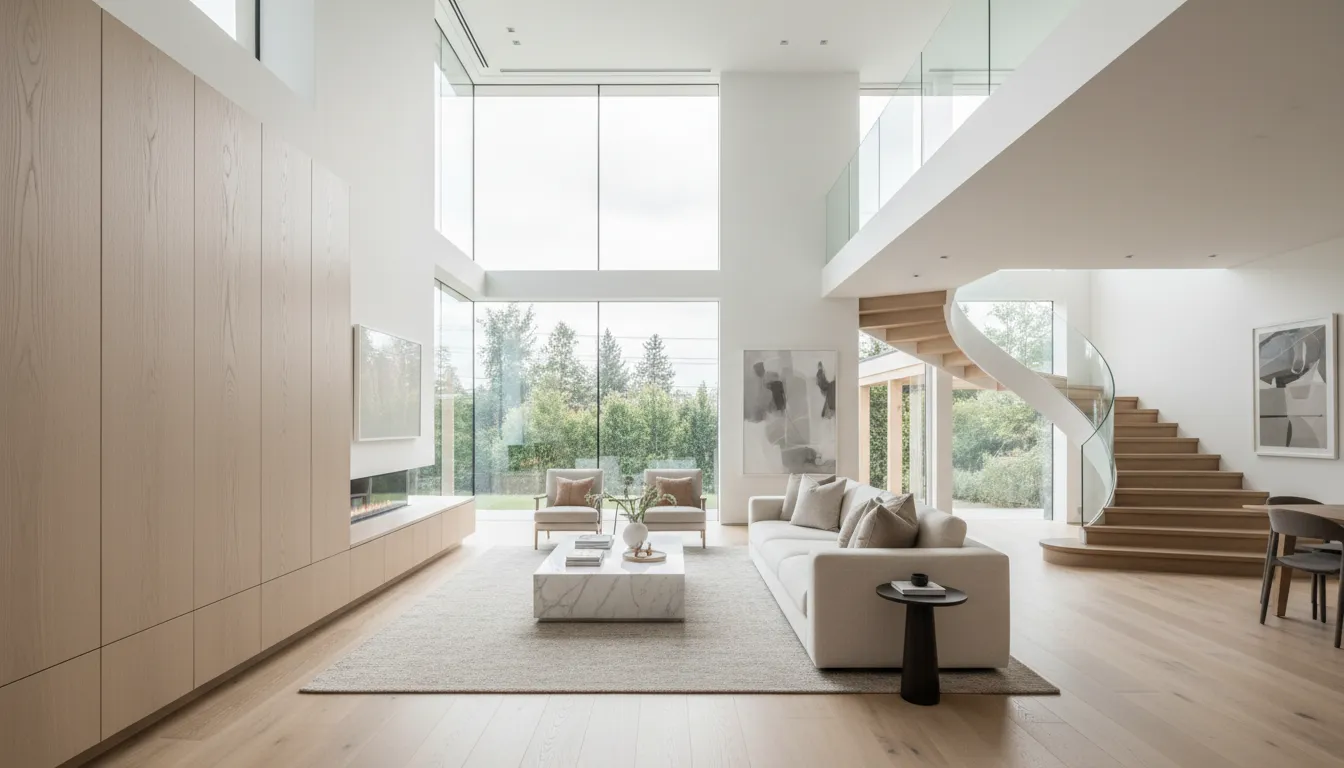
The Living Canvas: Why Wood is Not Chemically Inert
For the high-end homeowner, the selection of timber is an exercise in architectural intent. Whether it is the cool, ethereal pallor of White Oak or the creamy uniformity of Hard Maple, the goal is often to preserve the wood’s "raw" aesthetic. However, many homeowners are dismayed to find that, weeks after a "clear" topcoat is applied, their pristine surfaces have taken on an unwanted amber or golden glow. This is not a failure of the craftsman, but rather a complex chemical reaction. To understand why wood changes color, one must view timber not as a static building material, but as a complex, biological matrix of organic polymers.
Lignin and the "Newspaper Effect"
The primary culprit in the yellowing of wood is lignin. Lignin is the complex organic polymer that acts as the "glue" holding wood cells together, providing trees with their structural rigidity. However, lignin is highly photosensitive. When exposed to ultraviolet (UV) light, a process called photodegradation occurs. Much like a newspaper left in the sun, the lignin breaks down and undergoes a chemical shift that results in a yellow or brown hue. Even if your finish is perfectly clear, if it lacks robust UV inhibitors, the wood beneath it is effectively "sunburning," changing color at a molecular level regardless of the coating above it.
The Chemistry of Extractives and Oxidation
Beyond its cellular structure, wood is packed with extractives—natural chemicals such as tannins, oils, and resins that vary by species. When you apply a finish, you aren't just laying a film on top; you are introducing a solvent that can leach these chemicals to the surface. Oil-based finishes, typically made from alkyd resins or linseed oils, are notorious for reacting with these extractives.
Furthermore, the chromophores—the parts of the wood molecules responsible for its color—are highly susceptible to oxidation. When a finish is applied, it can trap or even accelerate the oxidation of these chromophores. In species like Cherry or Walnut, this oxidation is dramatic, but in lighter woods, it often manifests as a muddying of the grain or a shift toward yellow as the extractives bleed into the resin of the finish.
The Physics of Light: The Refractive Index
Sometimes, the "yellowing" isn't a chemical change at all, but a matter of physics. Every substance has a refractive index, which determines how much it bends light. Traditional oil-based finishes have a refractive index that closely matches the wood fibers. When the finish saturates the wood, it eliminates the microscopic air pockets between the fibers, allowing light to penetrate deeper into the grain.
This "wetting" of the wood increases the depth and "chatoyancy," but it also shifts the way we perceive color. The light is reflected back through the amber tint of the oil resin, making the wood look darker and warmer than it did in its raw state. This is why a water-based finish, which typically has a different refractive index and sits higher on the surface, often maintains that "bright," cool look that modern design demands.
Preserving the Biological Signature
When selecting a finish, it is vital to respect the physics of the grain. High-end wood often features mineral streaks or unique growth rings—biological signatures that tell the story of the tree’s life. To preserve these without the interference of chemical yellowing, discerning homeowners should opt for non-yellowing, water-borne acrylics or specialized "invisible" oils that contain white pigments to counteract the natural darkening effect. By understanding the interplay between lignin, UV light, and the refractive index, you can ensure that your home’s woodwork remains a masterpiece of nature, rather than a victim of chemistry.
Related Field Notes
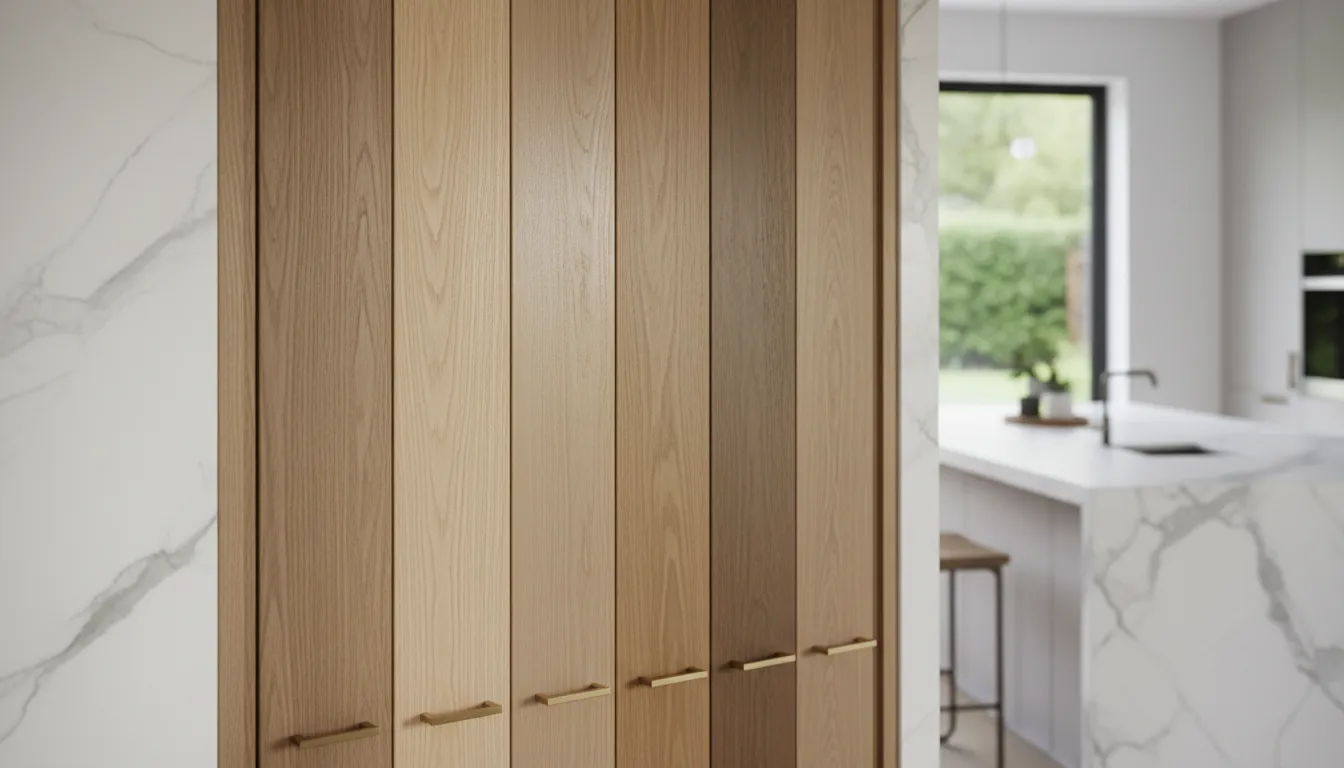
I Tested 5 Cabinet Finishes for 6 Months in a Texas Kitchen
To find the best cabinet finish for the Texas climate, we installed five white oak doors with different topcoats in a high-traffic Dripping Springs kitchen. After six months of humidity and chemical exposure, the results are in.
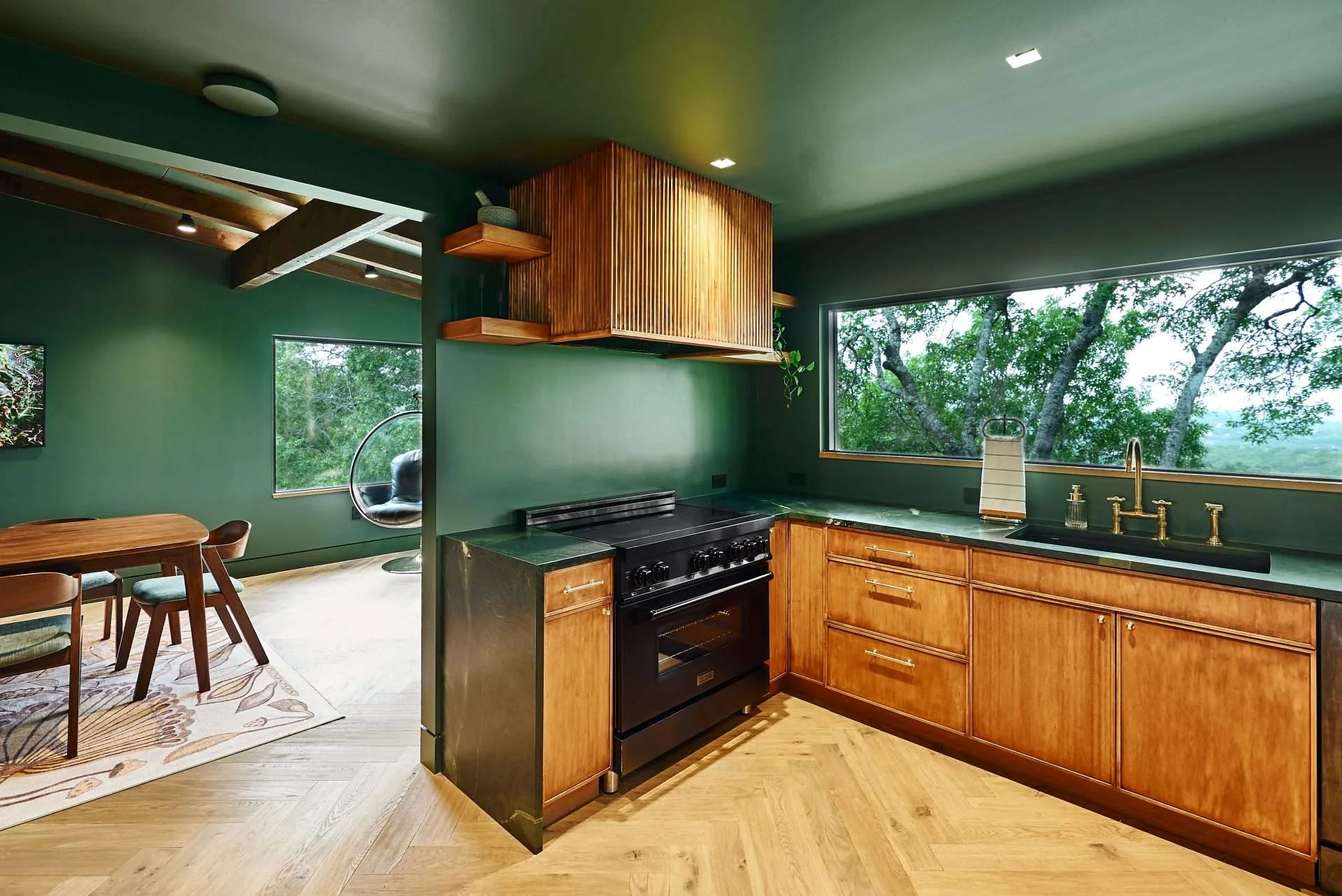
Top 5 Kitchen Cabinet Trends in Austin for 2026: From White Oak to Skinny Shakers
As Austin's luxury real estate market shifts toward a refined 'Hill Country Modern' style, kitchen cabinetry takes center stage. Discover the top five trends for 2026, from organic textures to architectural lines.
See Our Work.
We don't just write about it. Here are recent projects matching this topic.
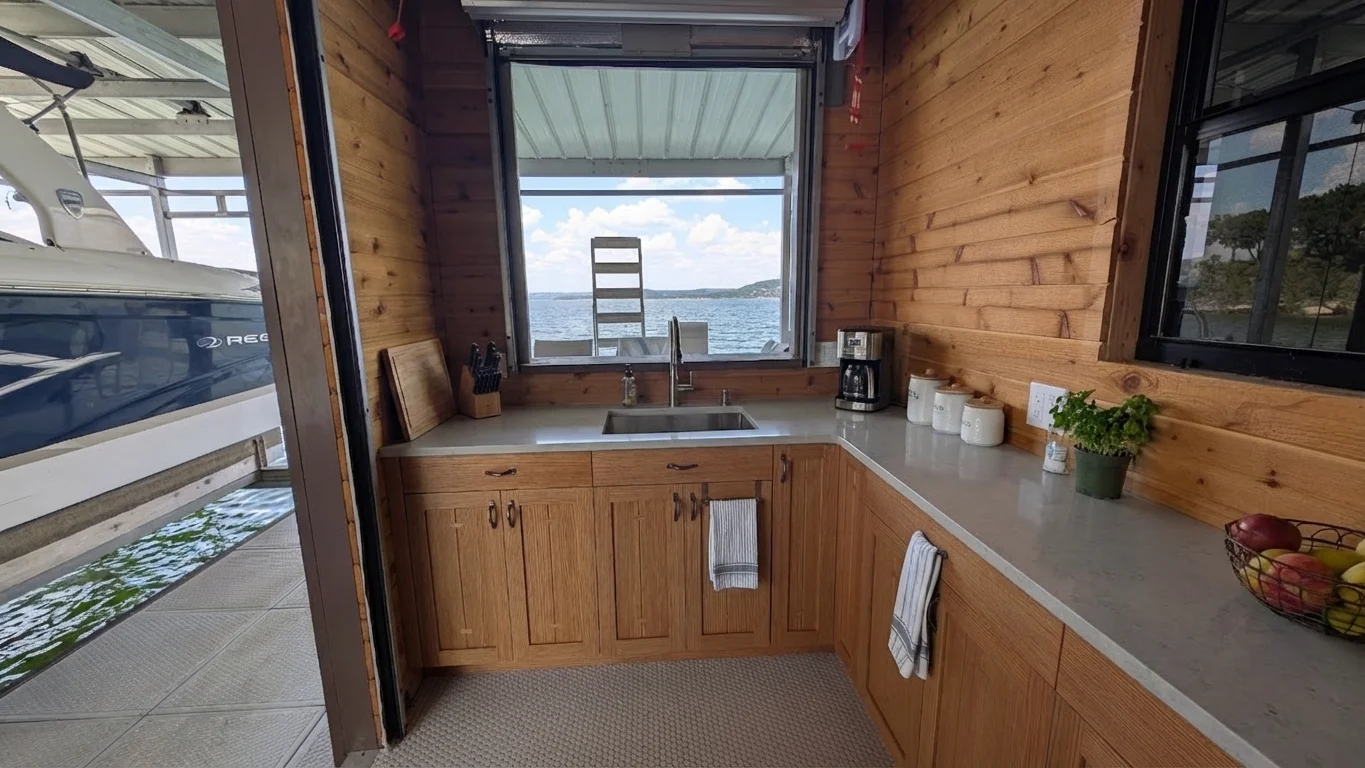
Artisan Oak Boat Dock Storage Suite

White Oak Media Suite in West Austin
Inspired by this project?
Let's discuss how we can bring this level of craftsmanship to your home.