Top 5 Kitchen Cabinet Trends in Austin for 2026: From White Oak to Skinny Shakers
Top 5 Kitchen Cabinet Trends in Austin for 2026: From White Oak to Skinny Shakers
Austin’s luxury real estate market is undergoing a sophisticated transformation as we head toward 2026. The "Hill Country Modern" aesthetic, once defined by rugged limestone and heavy timbers, is evolving into a more refined, architectural style. For the high-end homeowner, the kitchen remains the gravitational center of the home, and the cabinetry is its most defining feature. As custom builders and interior designers look toward the next design cycle, five distinct trends are emerging as the gold standard for Austin’s most exclusive zip codes.
1. Rift-Sawn White Oak: The Foundation of Organic Luxury
While white oak has been a staple in luxury design for years, the 2026 trend focuses specifically on "rift-sawn" cuts. Unlike plain-sawn oak, rift-sawn lumber is cut at a 90-degree angle to the grain, resulting in a linear, vertical pattern that minimizes the "cathedral" graining often associated with traditional cabinetry. In Austin’s sun-drenched interiors, rift-sawn white oak offers a warm, neutral palette that complements polished concrete floors and large-scale floor-to-ceiling windows. The goal for 2026 is a seamless, furniture-grade finish that emphasizes the organic texture of the wood without the heavy yellow undertones of the past.
2. The Rise of the Skinny Shaker
The traditional Shaker cabinet—long the workhorse of American kitchens—is being reimagined for the modern minimalist. The "Skinny Shaker" (or slim-propped Shaker) features stiles and rails that are only 1/2-inch to 3/4-inch wide, rather than the standard 2.5 to 3 inches. This creates a subtle shadow line that adds depth and architectural interest without the visual weight of traditional cabinetry. For Austin homeowners who want to bridge the gap between ultra-modern flat-panel slabs and classic millwork, the skinny shaker provides a sophisticated, transitional look that feels both timeless and cutting-edge.
3. Integrated "Appliance Garages" and Hidden Sculleries
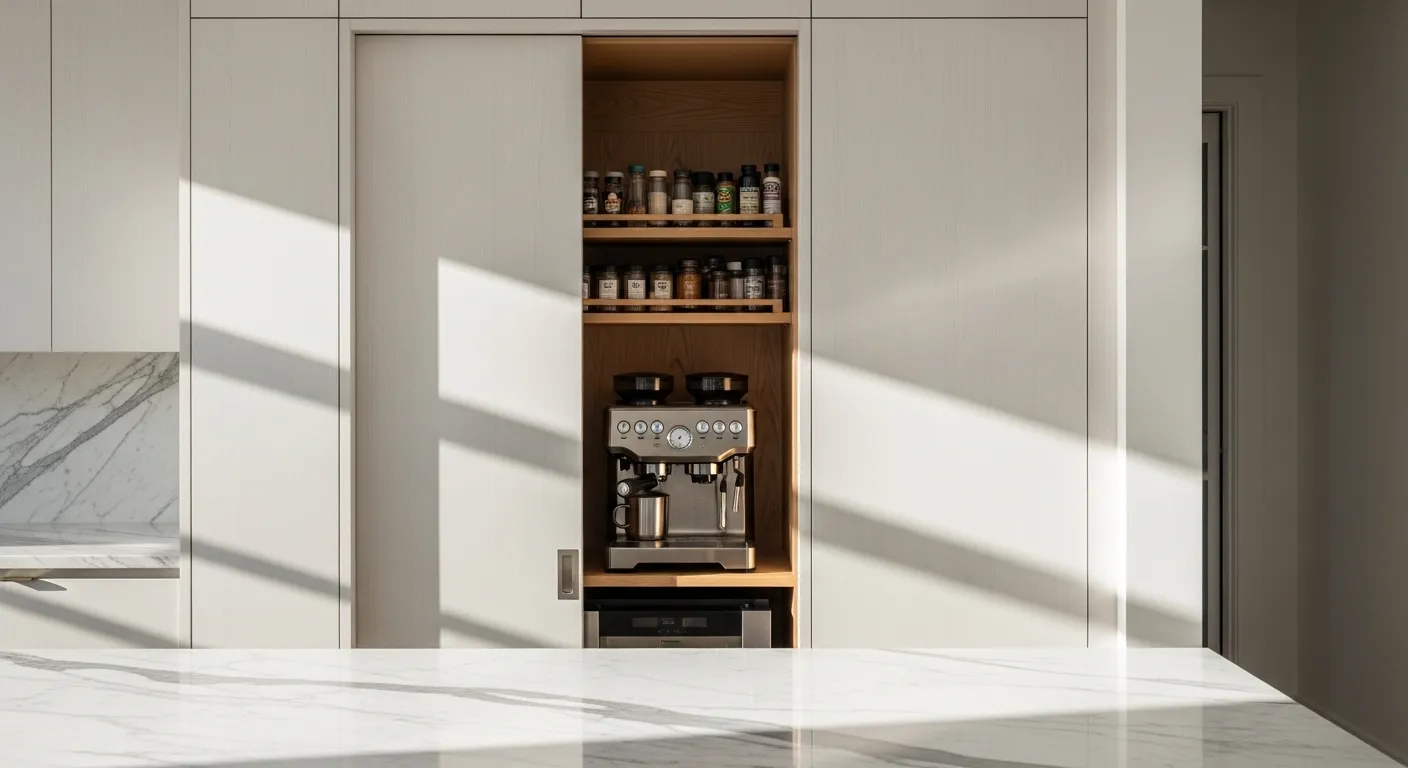
The 2026 luxury kitchen is defined by what you don't see. High-end homeowners are moving away from the cluttered look of small appliances on countertops. In their place, custom cabinetry is featuring bi-fold or pocketing "appliance garages" that hide espresso machines, toasters, and mixers behind matching wood panels. This trend extends to the "hidden scullery"—a secondary kitchen area tucked behind a secret cabinet door. This allows the primary kitchen to remain a pristine gallery space for entertaining while the heavy-duty prep and cleanup happen out of sight.
4. Moody Jewel Tones and Mixed Materiality
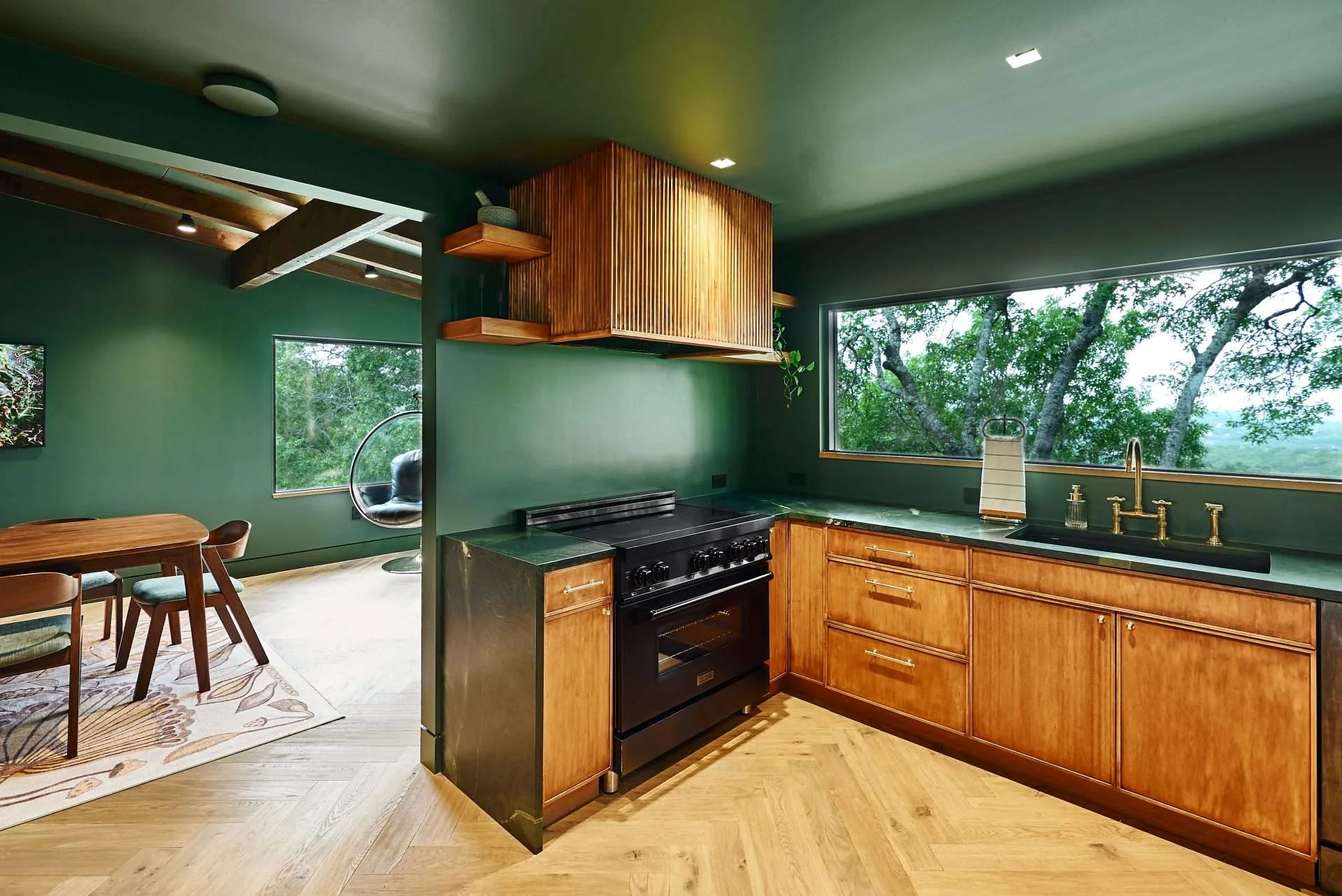
While white oak provides the base, we are seeing a surge in high-contrast accents. For 2026, expect to see deep, saturated hues like forest green, charcoal, and midnight navy used on islands or lower cabinetry. The trend is not just about color, but about the interplay of materials. We are seeing designers pair matte-lacquered cabinets with fluted glass inserts and integrated brass or bronze hardware. This "mixed materiality" reflects a desire for a bespoke, curated look that feels more like a high-end lounge than a utilitarian cooking space.
5. Fluted Details and Tactile Surfaces
Texture is the new color in high-end cabinetry. Fluted (or reeded) cabinet fronts are becoming a hallmark of Austin’s luxury builds. This technique involves carving vertical grooves into the wood, creating a rhythmic, tactile surface that catches the light beautifully. Whether used as a focal point on a kitchen island or as an accent on a beverage center, fluting adds a layer of craftsmanship that distinguishes custom cabinetry from mass-produced options. This trend speaks to the broader movement toward "tactile minimalism," where the beauty of the room comes from the quality of the materials and the precision of the joinery.
In conclusion, the Austin kitchen of 2026 is a study in refined balance. It celebrates natural materials like rift-sawn oak while embracing the precision of skinny shakers and hidden technology. For the high-end homeowner, these trends offer a way to create a space that is not only functional but serves as a profound statement of architectural intent.
The Shop Editorial Team
Relevant Services
Related Field Notes
Hidden Functionality: Clever Storage Solutions for Cabinetry
Austin's luxury kitchen design is shifting towards "hidden functionality." Explore how custom millwork and appliance garages create seamless, minimalist spaces in West Lake Hills and Tarrytown.
Solid Wood vs. Plywood vs. MDF: Which Cabinet Material Survives Texas Humidity?
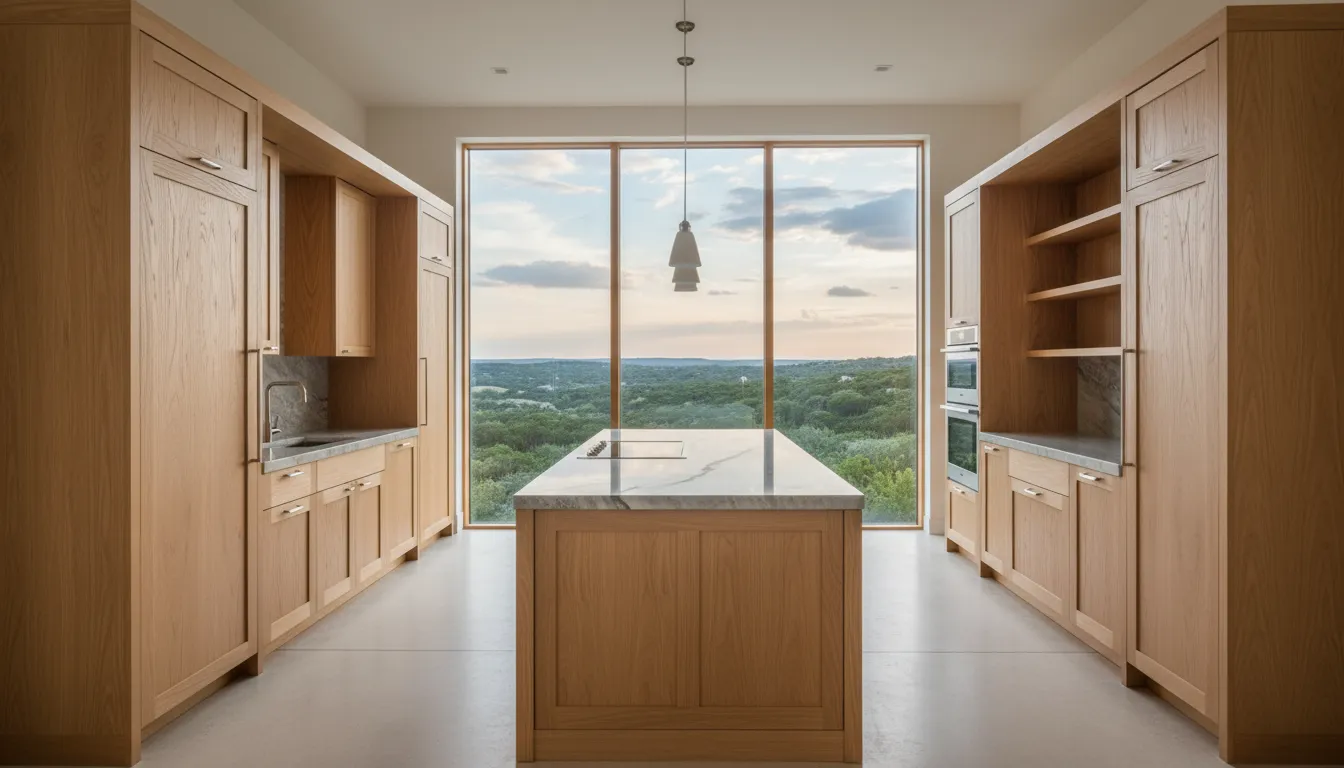
In West Lake Hills and Tarrytown, humidity can warp even the most expensive kitchens. Learn how to choose materials that withstand the Texas dew point.
Cabinet Refacing vs. Replacing: Which is Right for Your Hill Country Home?
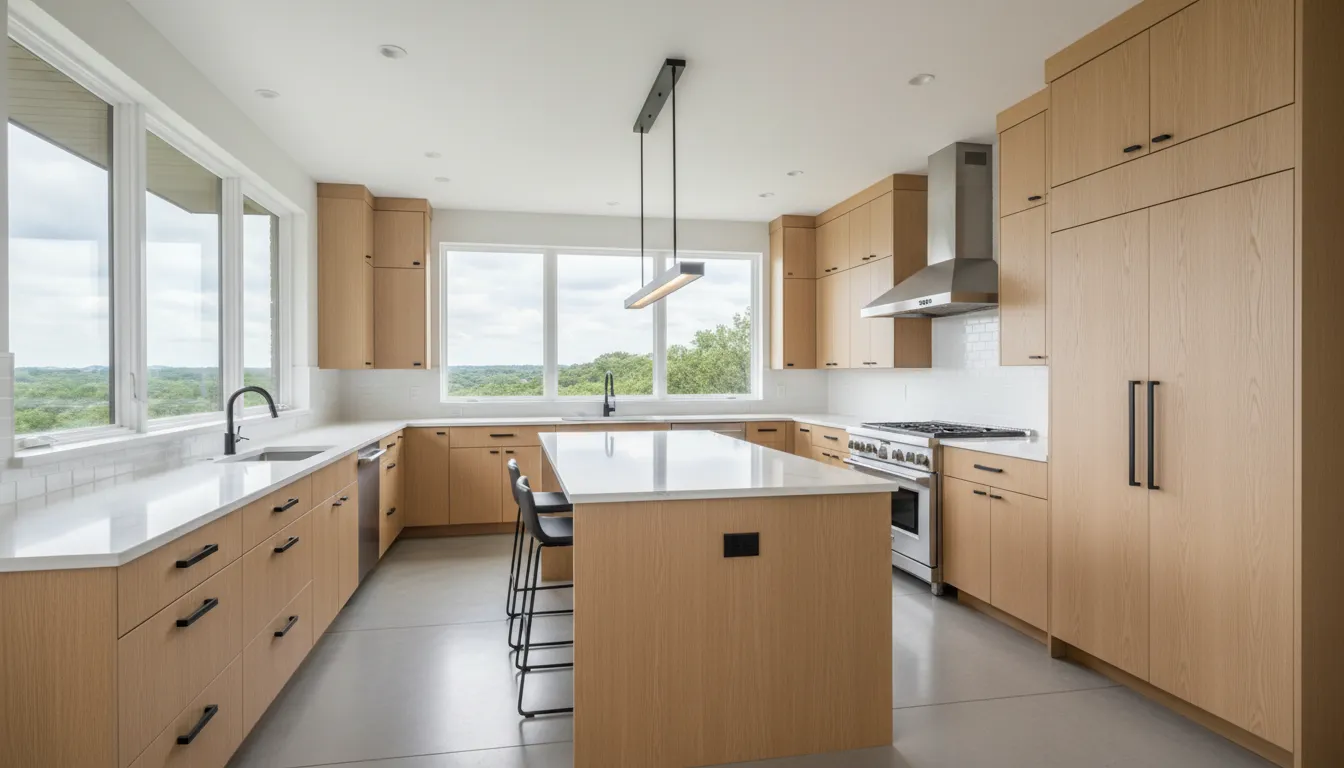
For homeowners in Austin's premier enclaves, the decision between cabinet refacing and replacement is more than a budget choice—it's about architectural integrity and lifestyle. Explore the advantages of precision refacing for high-end kitchen interiors.
See Our Work.
We don't just write about it. Here are recent projects matching this topic.
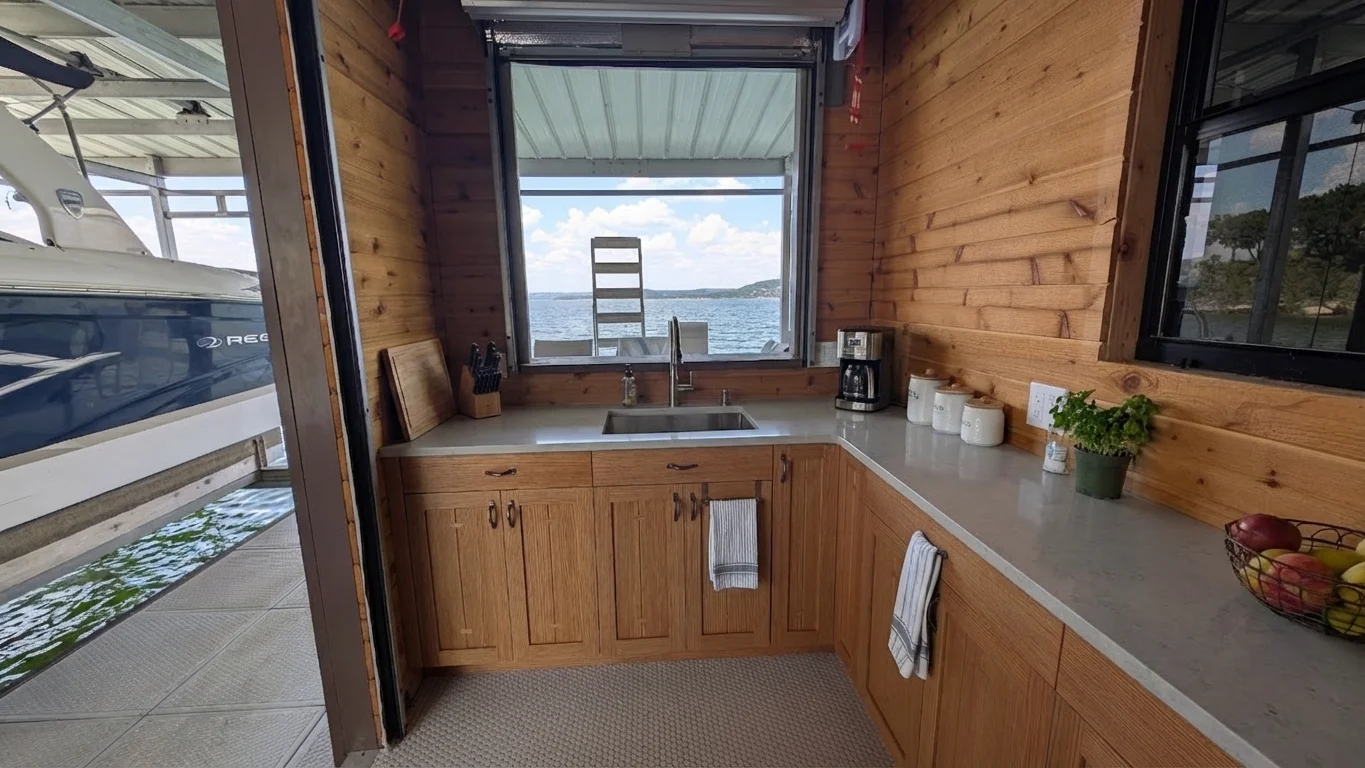
Artisan Oak Boat Dock Storage Suite
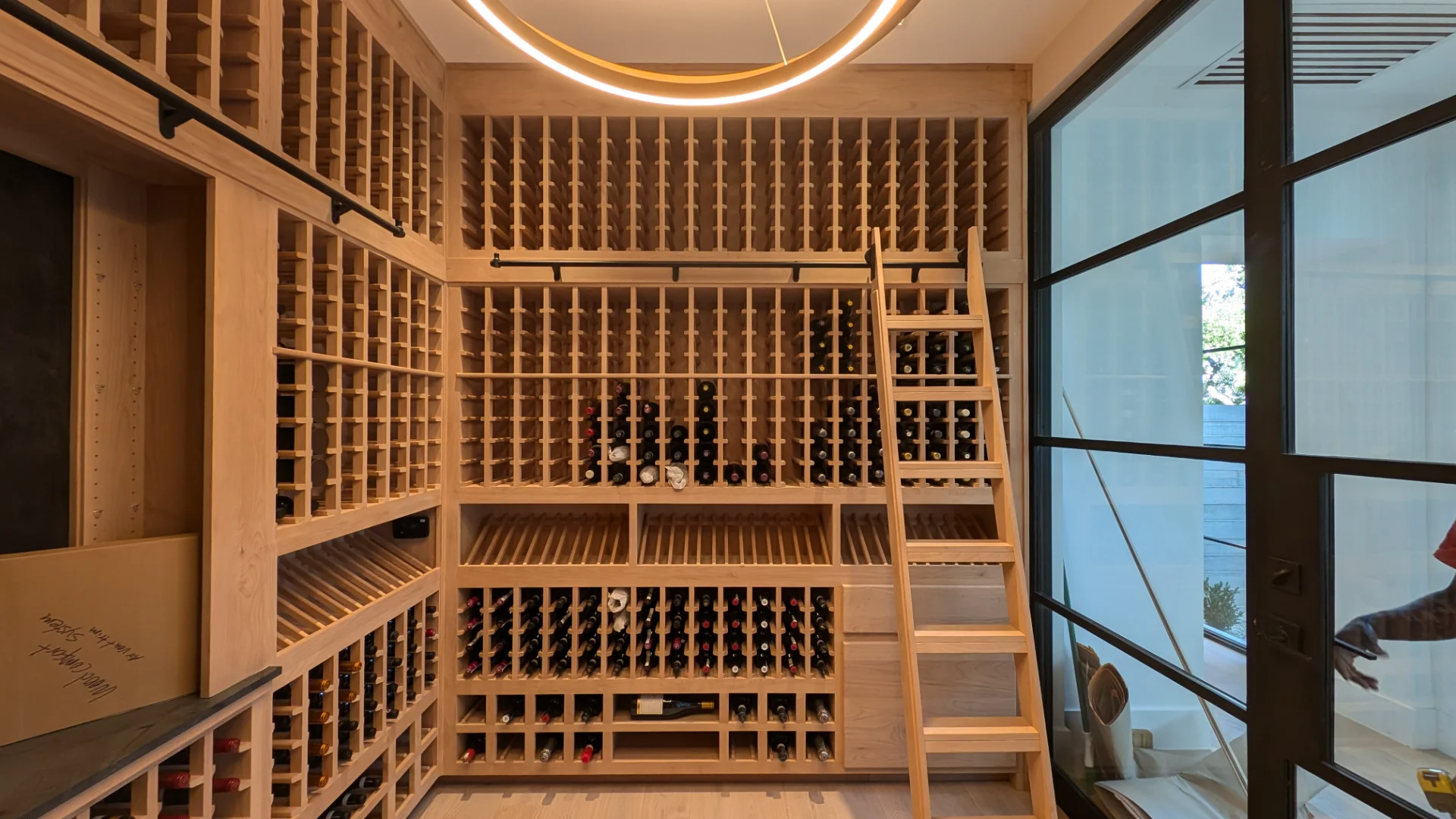
Oak Wine Cellar in West Lake Hills
Inspired by this project?
Let's discuss how we can bring this level of craftsmanship to your home.